Product description
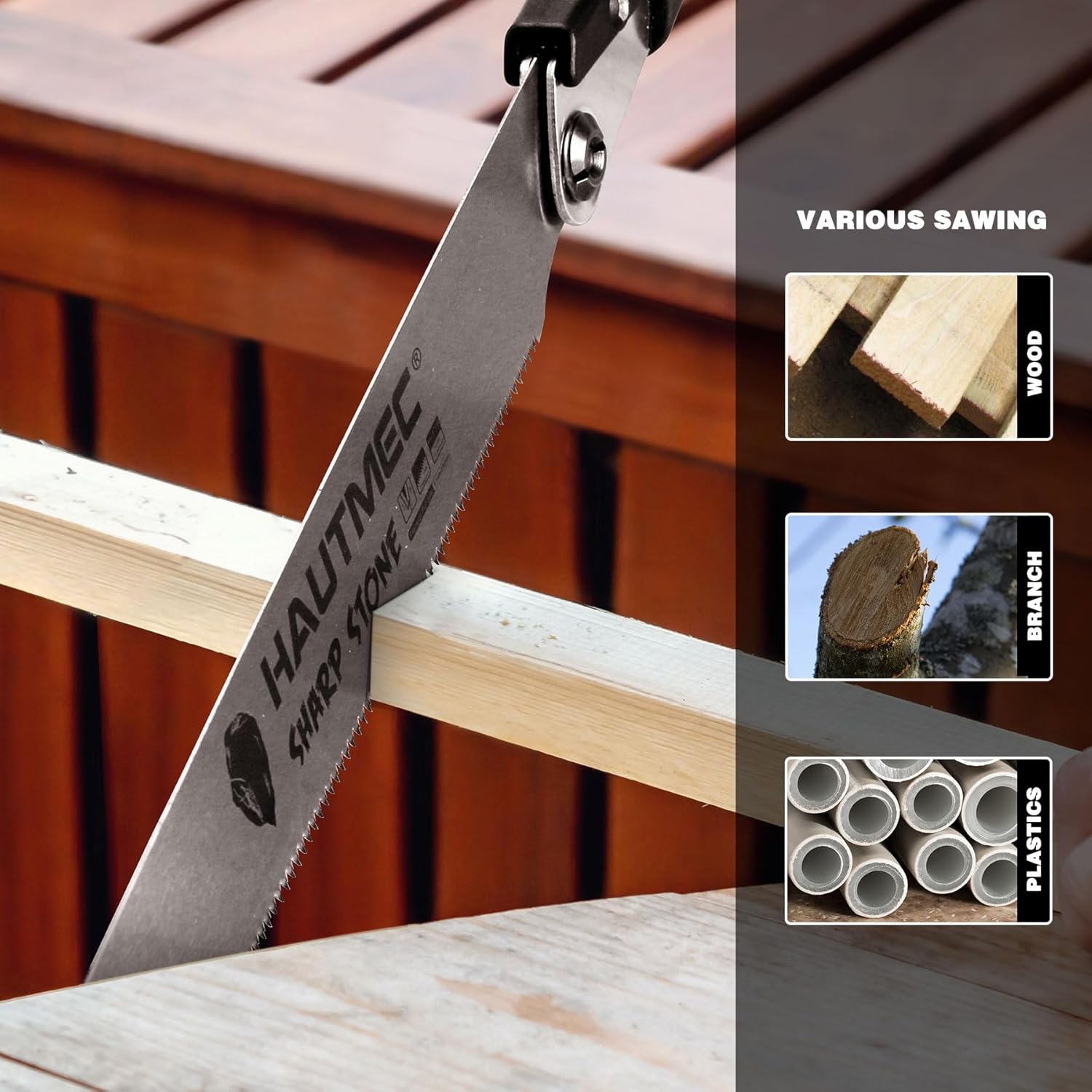
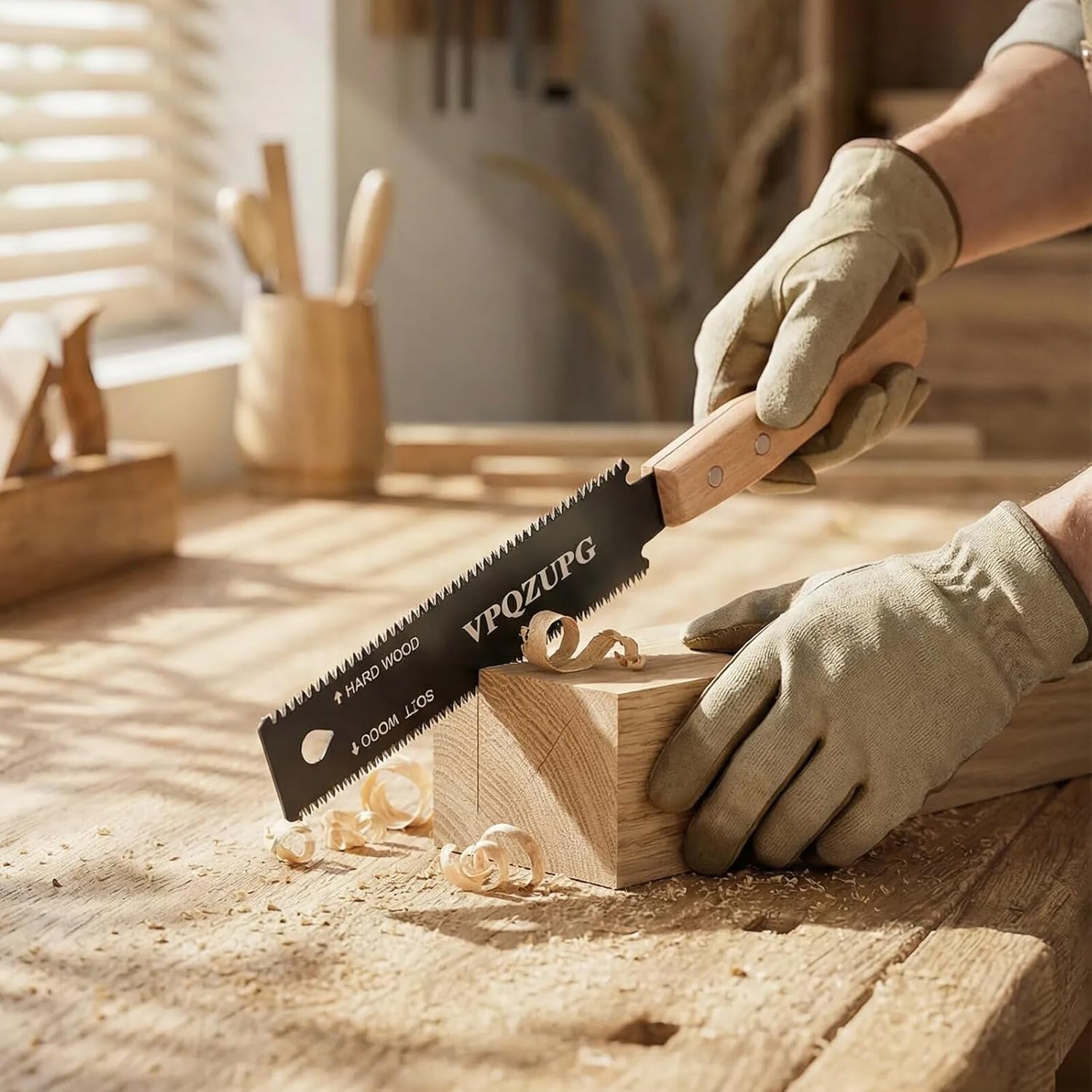
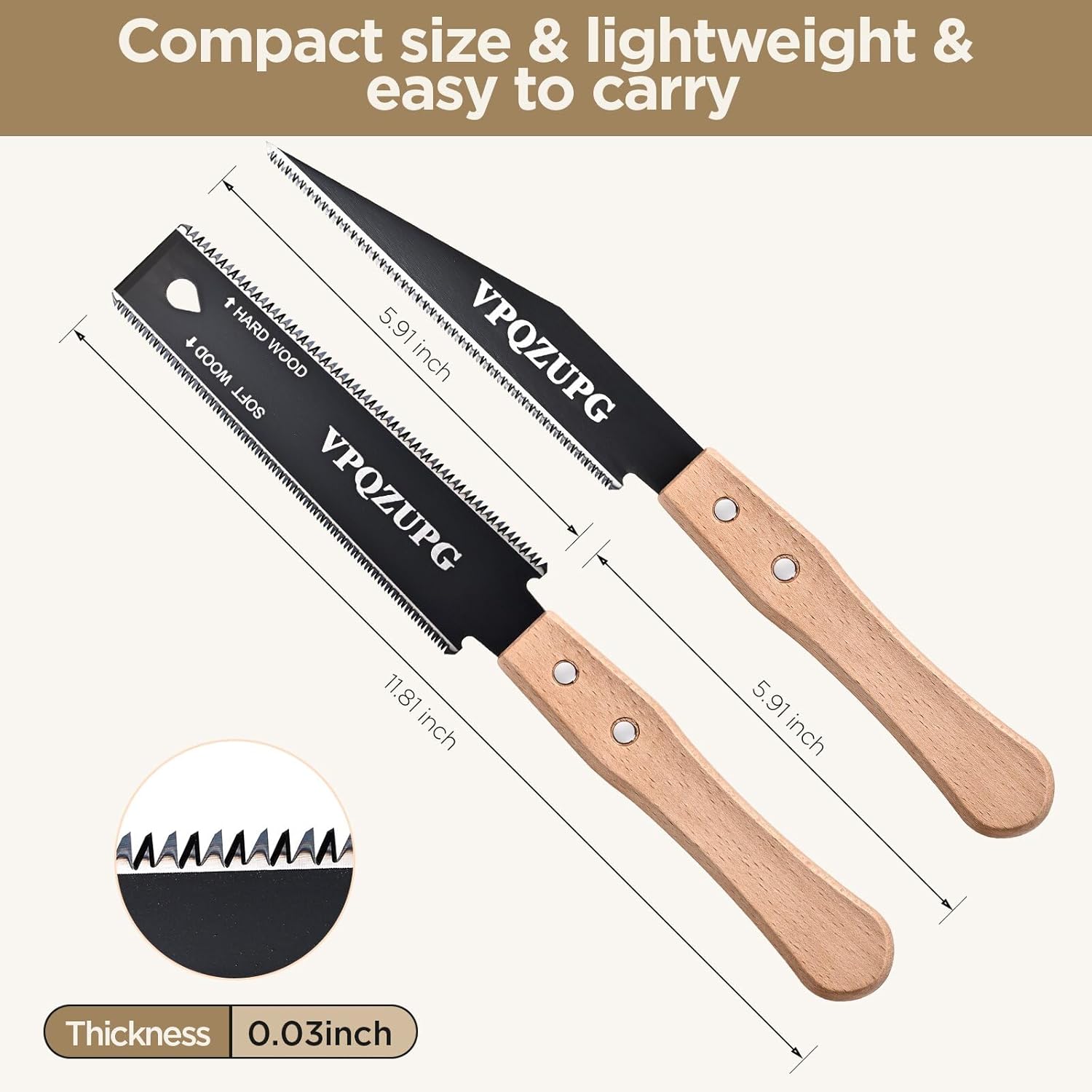
The Advantages of Japanese Saw
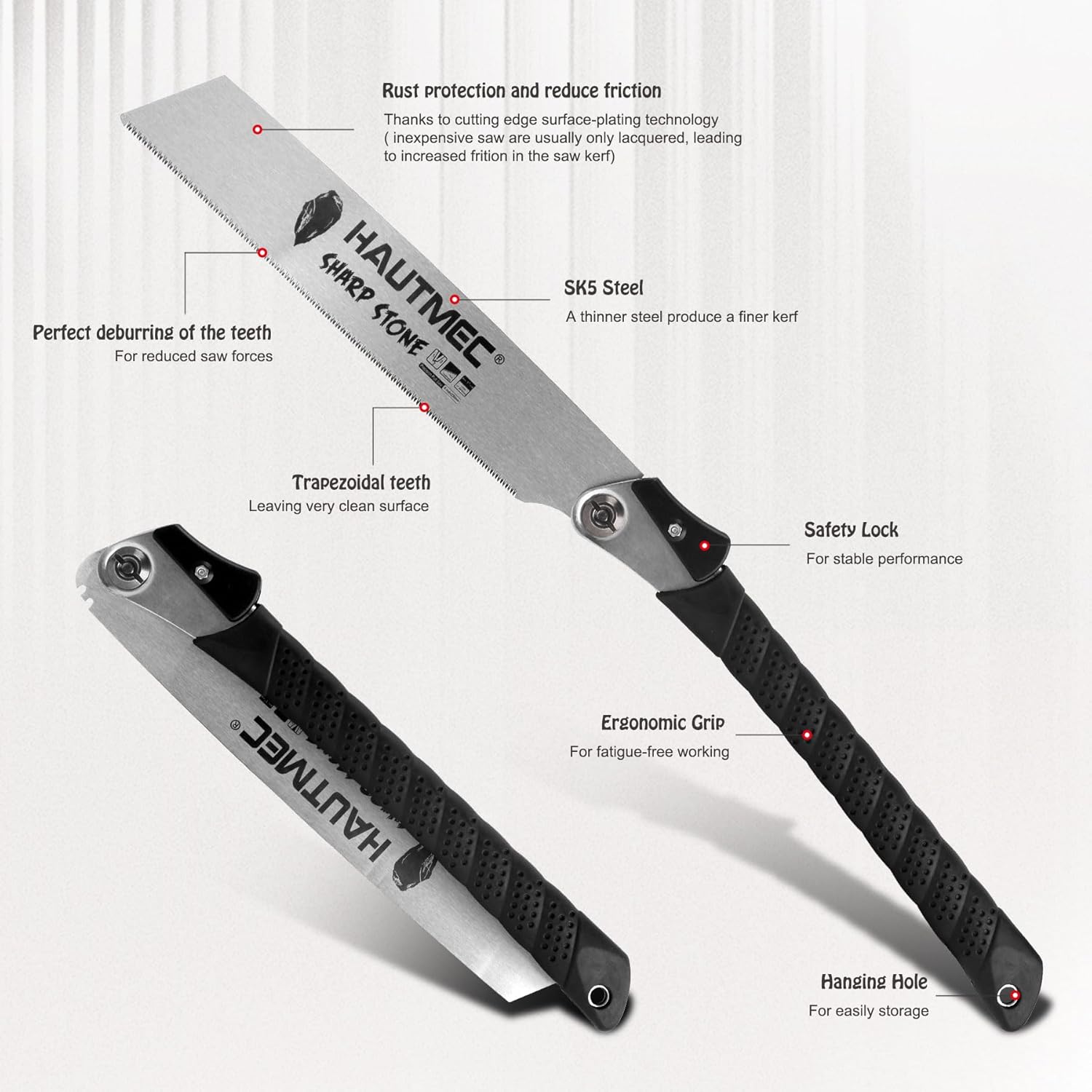
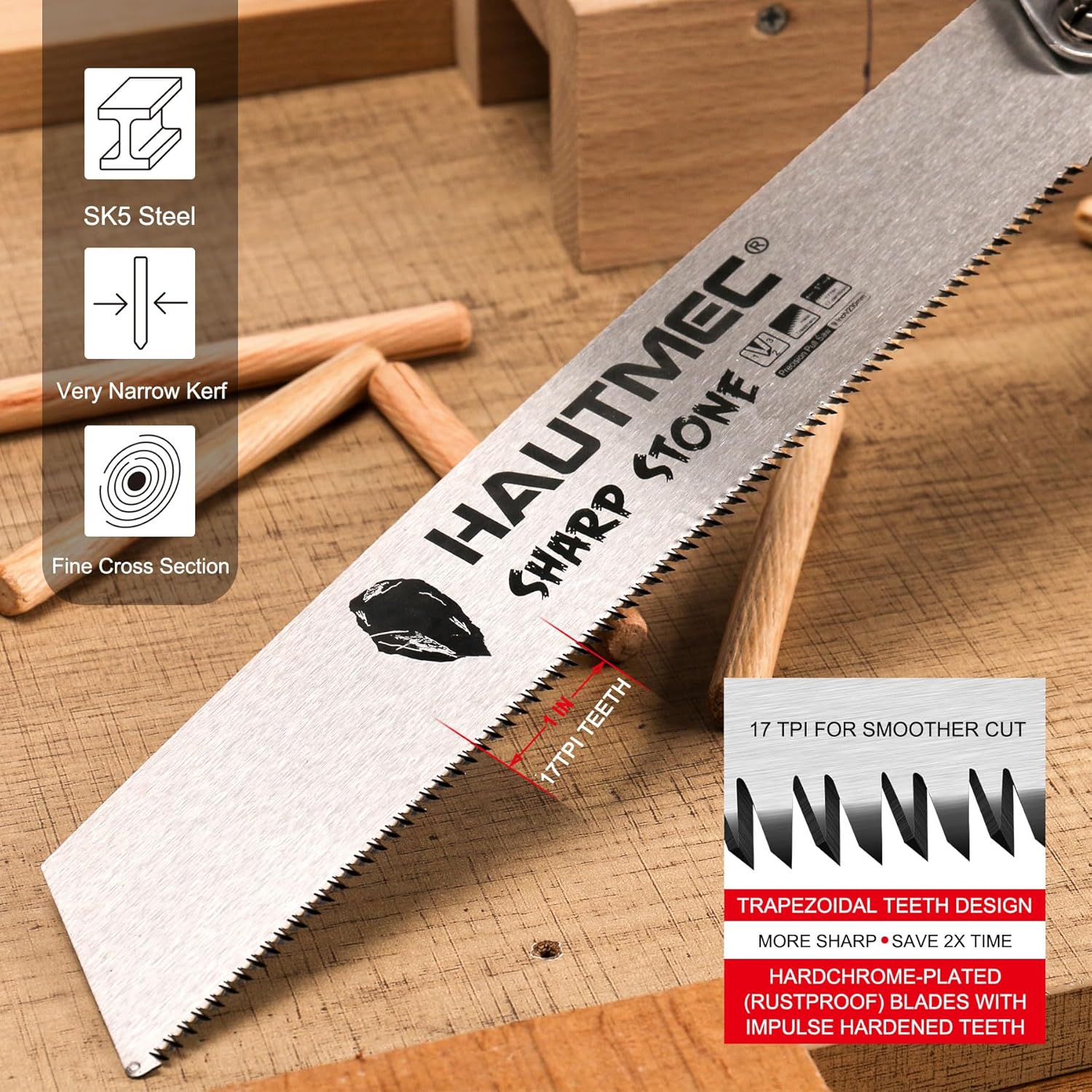
1. Low sawing forces thanks to thin Blades
- Coventional sws are pushed. This requires thick blades in order to ensure sufficient stability.
- Japanese saws, on the other hand, are pulled, allowing the use of very thin blades ,as they are only subjected to tensile stress and cannot wrap.
- The saw kerfs are therefore finer and required sawing forces considerably lower
Advantages: Easy work and little wear
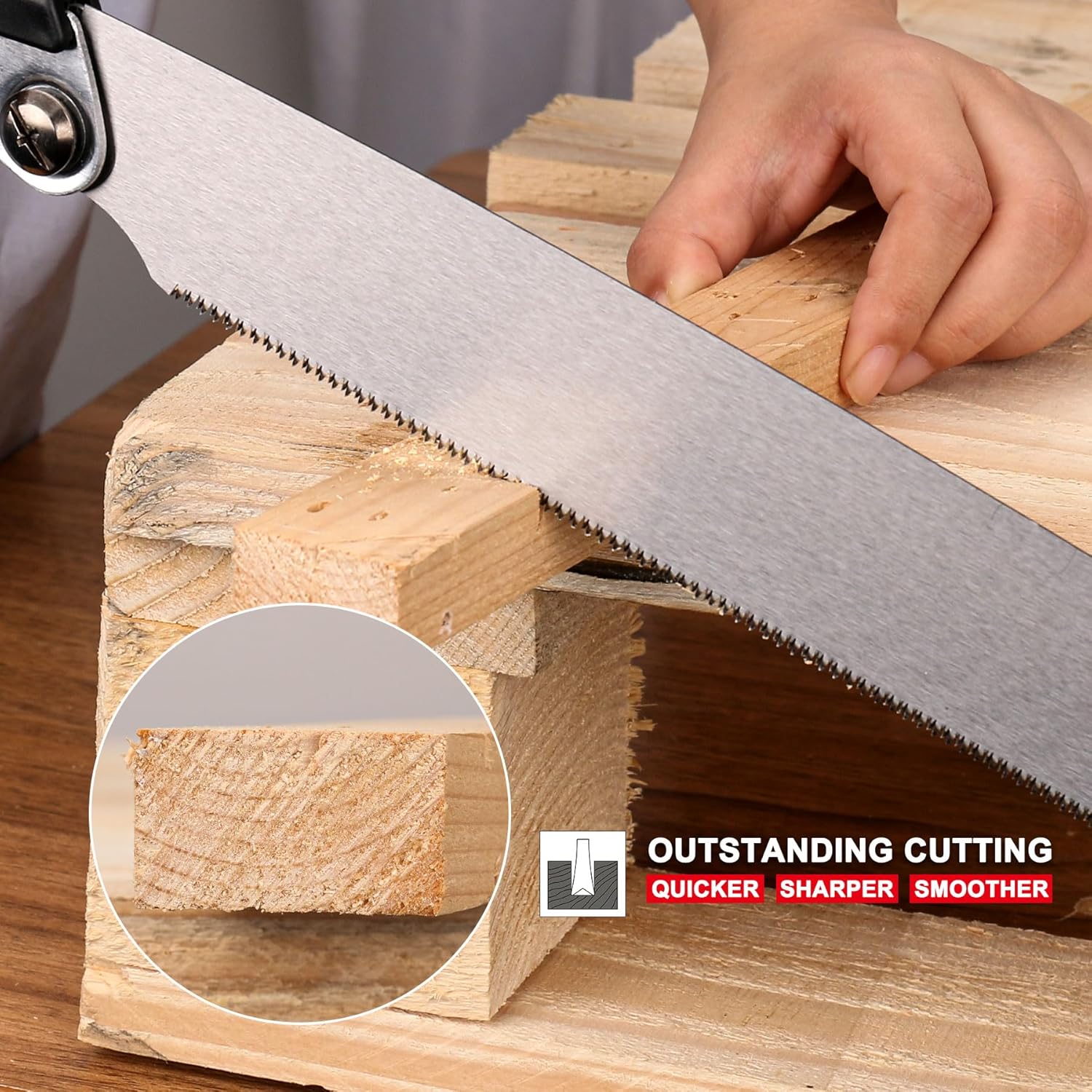
2. Clean cutting surfaces thanks to special tooth configuration
- Trapezoidal teeth (crosscut teeth)
- Perferred for cuts across the grain. The teeth are shaped on three sides in alternating fashion to cleanly server the wood fibres with razor-blade sharpness, leaving very clean surfaces.
- The knife-sharp special teeth produce clean working surfaces, which normally no longer have to be cleaned out with a chisel or smoothed with a plane
Advantages: Save time
Japanese Pull Saw VS Traditional Hand Saw
Japanese pull saws cut on the pull stroke, enabling thinner blades, straighter cuts, and greater precision with less effort.
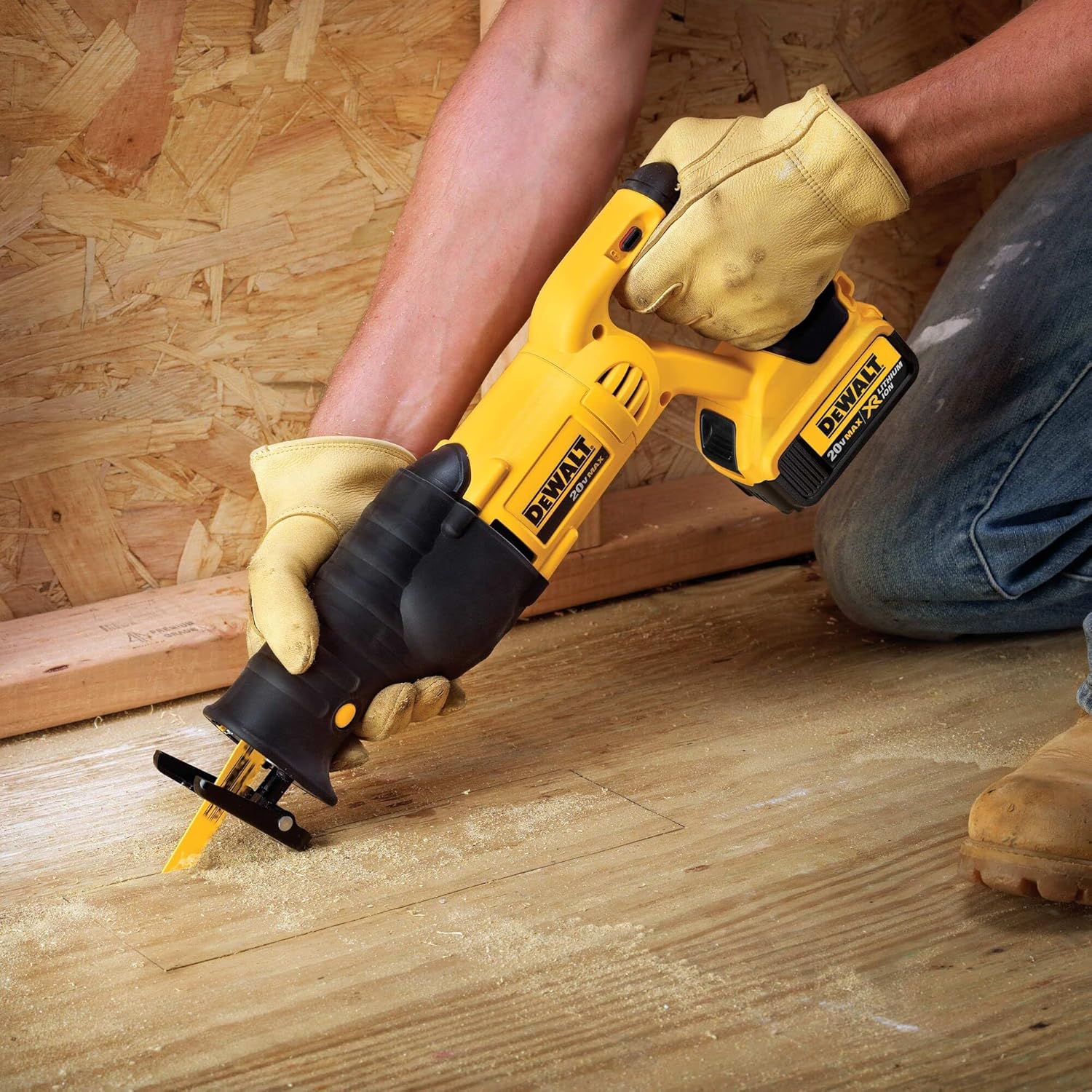
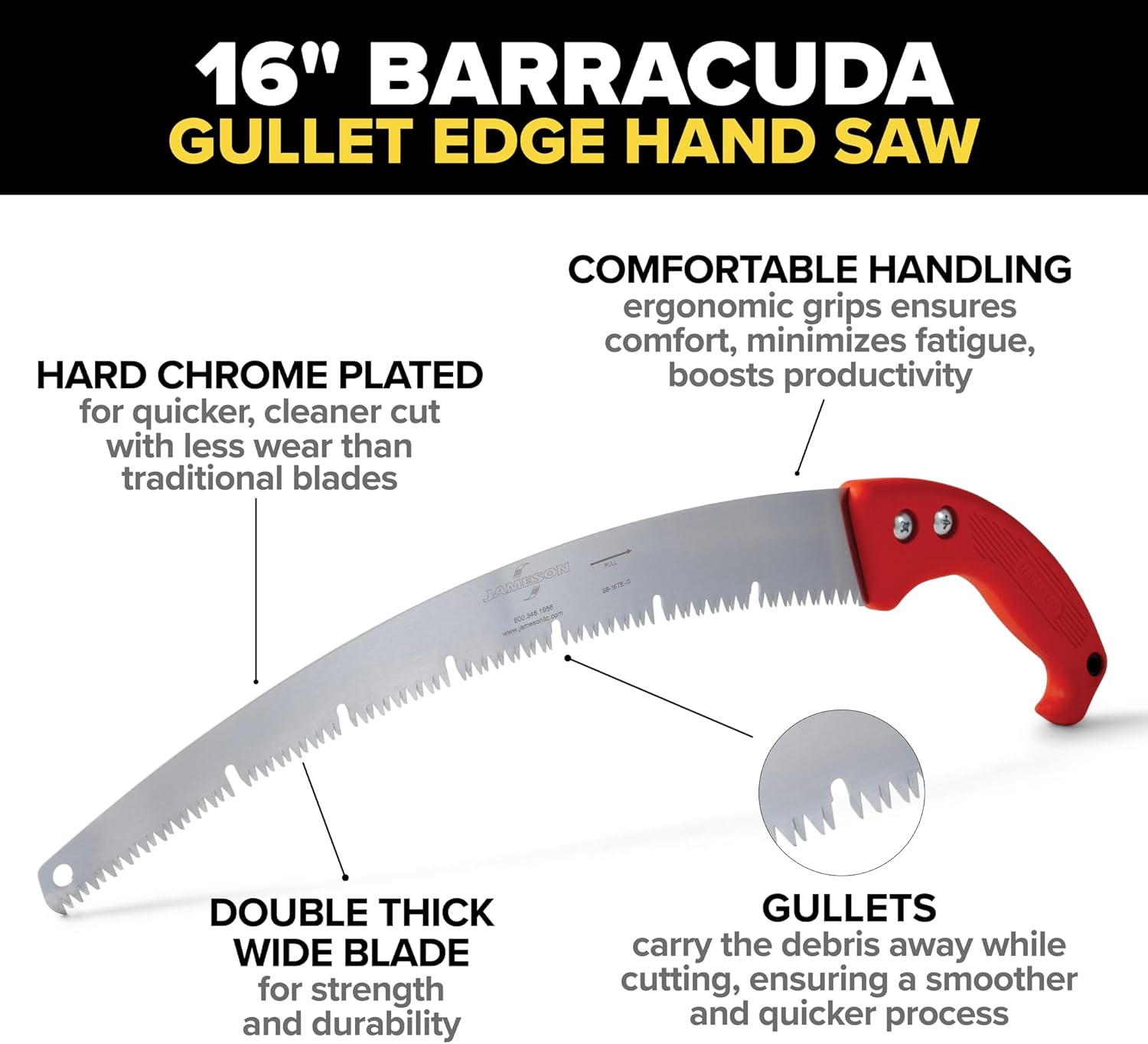
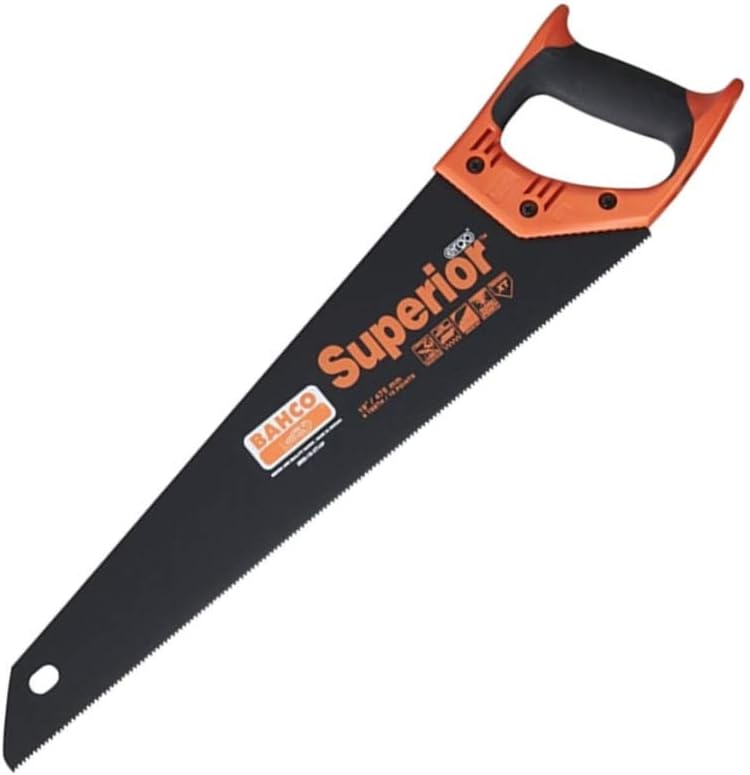
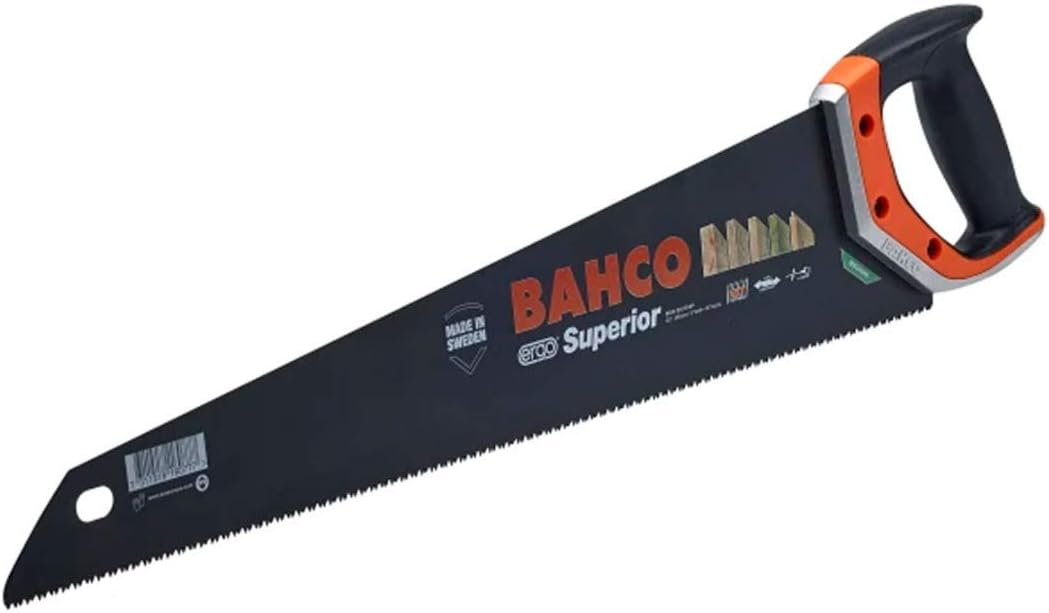
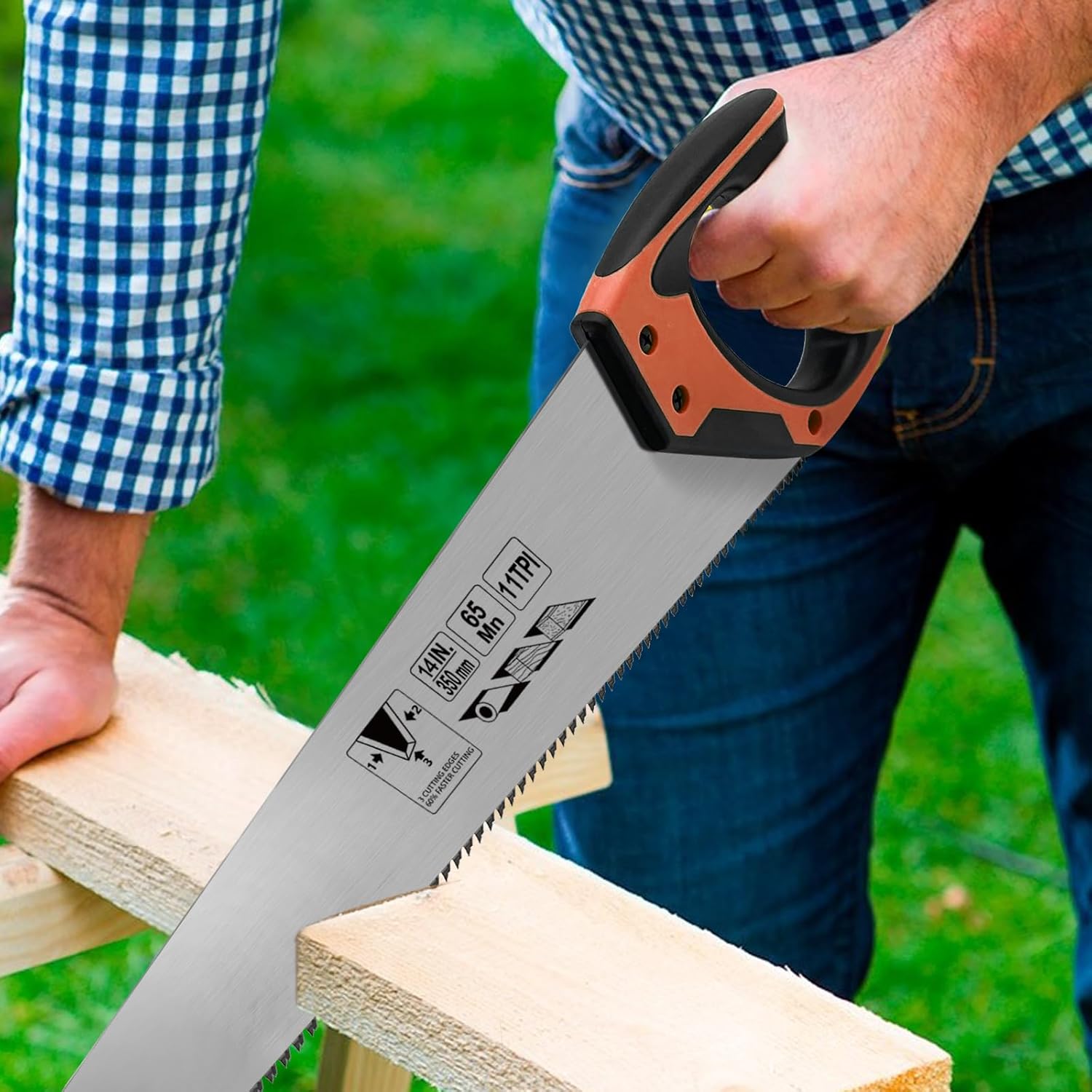
Traditional hand saws cut by pushing, requiring thicker blades that cause more resistance, are prone to warping, and deliver rougher results






Reviews
There are no reviews yet.